
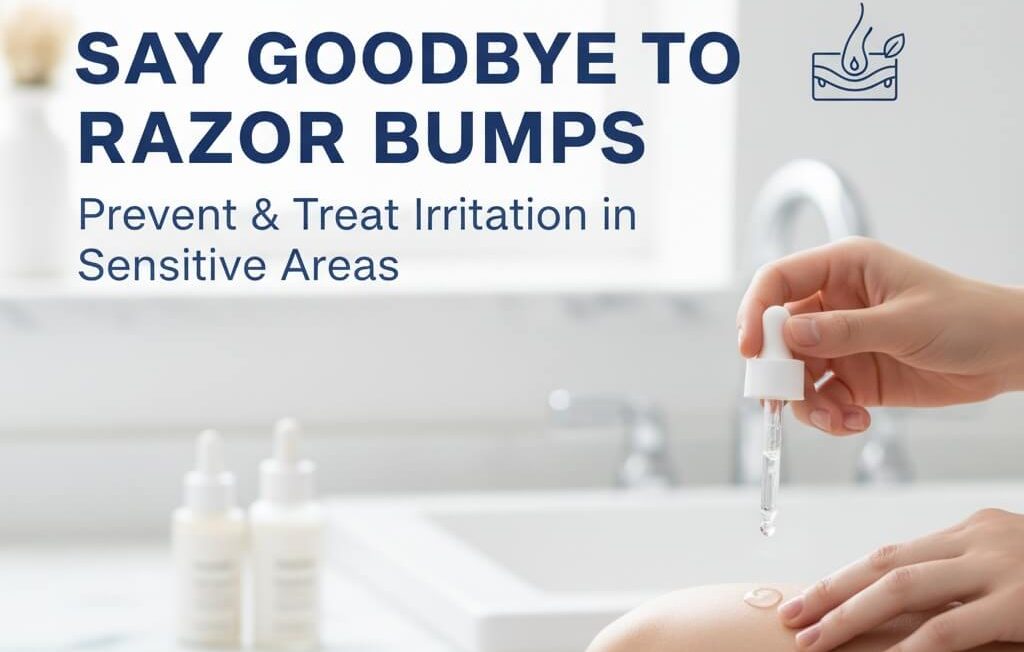
Razor bumps in your private area can cause itching, redness, and discomfort. They happen when hair grows back into the skin after shaving or waxing. The best way to get rid of razor bumps is by using proper shaving techniques, keeping the area clean, and applying soothing treatments to reduce irritation.
You can also prevent razor bumps by shaving with a sharp, clean razor and moisturizing your skin afterward. Avoid shaving too often or too quickly, as this can make bumps worse. Taking care of your skin before and after hair removal helps stop razor bumps from coming back.
How to Get Rid of Razor Bumps on Private Area
Razor bumps often appear after shaving or waxing the private area. They form when hair grows back into the skin, causing irritation. Knowing what razor bumps are, why they happen in sensitive areas, and how to recognize them can help you manage and prevent them.
What Are Razor Bumps
Razor bumps are small, raised bumps caused by hair growing back into the skin instead of out of it. This happens when shaved hair curls and re-enters the hair follicle. The medical name for razor bumps is pseudofolliculitis barbae. They can cause redness, swelling, and sometimes infection.
Razor bumps are common in areas where the hair is coarse and curly, such as the pubic region. They can be painful and itchy, and if scratched, they might lead to scarring or dark spots.
Why They Happen in Sensitive Areas
Sensitive areas like your pubic region have thick, curly hair, which makes razor bumps more likely. Shaving cuts hair at sharp angles, making it easier for hair to curl back under the skin.
The skin in these areas is also soft and delicate, so it can get irritated easily. Using a dull razor or shaving too quickly can increase the chance of bumps. Hair removal methods like waxing or plucking can also cause skin trauma, leading to razor bumps.
Symptoms to Identify
You can spot razor bumps by looking for small red or pink raised bumps on the shaved area. They can feel tender or itchy. Sometimes, bumps look like pimples or small blisters filled with pus, which means infection is present.
You might see redness or swelling around the bumps, and the skin may become dry or flaky. In some cases, bumps can cause dark marks after healing, especially if you have darker skin. Paying attention to these signs early helps you treat the bumps before they get worse.
Best Practices for Prevention
Taking specific steps before and during shaving reduces the chance of razor bumps in the private area. Using the right tools, preparing your skin well, and shaving carefully are key factors to prevent irritation and ingrown hairs.
Proper Shaving Techniques
Shave in the direction your hair grows to avoid pulling the skin and causing irritation. Use light, gentle strokes rather than pressing hard with the razor. Shaving too closely can make hair curl back under the skin, leading to bumps.
Rinse the blade often to clear hair and shaving cream. Avoid going over the same area multiple times, as this increases friction on sensitive skin. After shaving, pat your skin dry instead of rubbing to prevent further irritation.
Choosing the Right Razor
Select a sharp razor with multiple blades designed for sensitive skin. A dull blade causes more scraping and raises your risk of bumps. Disposable razors made for delicate areas or electric trimmers with safety guards can also help reduce irritation.
Change your razor regularly, ideally after five to seven shaves. Using old blades can lead to uneven cuts and increase the chance of ingrown hairs. Avoid sharing your razor to prevent infections.
Pre-Shave Preparation
Take a warm shower or apply a warm, wet towel to soften the skin and hair before shaving. This opens pores and relaxes hair follicles. Always apply a thick layer of shaving cream or gel formulated for sensitive skin.
Avoid products with alcohol or strong fragrances, which can dry out and irritate your skin. Let the shaving cream sit for a minute before you begin to make the hair softer and easier to cut.
Effective At-Home Remedies
You can reduce razor bumps in your private area by calming the skin, using natural remedies, and taking care of your skin after shaving. These steps help ease inflammation, fight infection, and prevent new bumps.
Soothing the Skin
Applying a warm compress to the affected area helps reduce swelling and soften the skin. Hold a clean, warm cloth on the bumps for 5 to 10 minutes. This opens pores and allows trapped hair to release.
Aloe Vera gel is another powerful option. It cools irritation and helps heal damaged skin. Use pure aloe vera directly from the plant or a store-bought organic gel. Apply it gently to avoid further irritation.
Avoid harsh chemicals or strong fragrances, as these can worsen irritation. Instead, keep the area clean and dry.
Natural Treatments
Certain natural ingredients can help fight inflammation and bacteria. Tea tree oil is antibacterial and reduces redness but should always be diluted with a carrier oil like coconut or olive oil before applying. Use only a few drops mixed well.
Turmeric has anti-inflammatory properties. You can mix turmeric powder with water or honey to create a paste. Apply this to the rash and leave it on for 10 minutes before rinsing. This may reduce swelling and redness.
Exfoliating gently with a mild scrub helps remove dead skin and frees trapped hairs. Avoid scrubbing too hard; use soft circular motions.
Post-Shave Skincare
Proper care after shaving is essential to prevent razor bumps. Always use a clean, sharp razor and replace it regularly. Wash and dry the razor thoroughly after each use.
After shaving, rinse the area with cool water to calm the skin. Pat dry with a clean towel—do not rub.
Apply a fragrance-free moisturizer to keep skin hydrated. Avoid tight clothing that can rub against the sensitive area and cause more irritation.
Following these steps consistently will help you manage and reduce razor bumps in the private area.
Topical Products and Medications
You can treat razor bumps on your private area using specific creams and medications. Some products are available without a prescription, while others may require a doctor’s advice if bumps do not improve.
Over-the-Counter Solutions
Look for creams containing salicylic acid or glycolic acid. These help remove dead skin cells and prevent hairs from getting trapped under the skin. You should apply these regularly to keep the area clear.
Warm compresses can soothe irritation. Using a gentle exfoliating scrub can also prevent hair from curling back into your skin. Avoid harsh soaps or products with heavy fragrances, which can cause more irritation.
Products with benzoyl peroxide help reduce bacteria and inflammation. Start with lower concentrations to avoid dryness or burning. Always test on a small area first.
When to Use Prescription Treatments
If your razor bumps are painful, inflamed, or do not improve with over-the-counter remedies, see a healthcare provider. They may prescribe stronger treatments like topical steroids or antibiotics to reduce swelling and fight infection.
In some cases, you might get topical retinoids, which help normalize skin cell turnover and prevent hairs from becoming trapped. These can be stronger and may cause skin sensitivity, so use as directed.
Your doctor might also suggest laser therapy if bumps keep coming back. This can reduce hair growth and prevent future irritation.
Lifestyle Adjustments for Long-Term Relief
Making smart choices every day can help reduce razor bumps in your private area. Paying close attention to how you care for your skin and what clothes you wear plays a big role in preventing irritation.
Personal Hygiene Tips
Keep the shaved area clean by washing it gently with a mild, fragrance-free cleanser. Avoid harsh soaps that can dry out or irritate your skin.
After washing, pat the area dry instead of rubbing. This lowers the chance of irritation.
Exfoliate the skin 2-3 times a week using a soft cloth or a gentle scrub. This helps remove dead skin cells and prevents hairs from growing back under the skin.
Try to avoid shaving every day. Give your skin time to heal and the hair time to grow out. This reduces inflammation and allows bumps to calm down.
Use a clean razor to prevent infections, and replace it often. Dull blades increase irritation and the risk of razor bumps.
Clothing Choices to Prevent Irritation
Choose loose-fitting clothing made of soft, breathable fabrics like cotton. Tight clothes rub against the skin, causing friction that worsens bumps.
Avoid synthetic materials that trap sweat. Moisture buildup in the private area can cause further irritation and discomfort.
If you exercise regularly, change out of sweaty clothes quickly to keep the skin dry.
Wear underwear that fits well and does not pinch or fold into the skin. Look for seamless or tagless options to reduce friction.
These clothing choices limit chafing and help keep your skin smooth and comfortable after shaving.
When to Seek Professional Help
If your razor bumps do not improve after a few weeks of home care, it may be time to see a doctor. Persistent bumps can be a sign of infection or other skin conditions that need medical treatment.
You should seek professional help if you notice any of these signs:
- Severe pain or swelling
- Pus or unusual discharge
- Spreading redness or warmth around the area
- Large, hard lumps under the skin
A board-certified dermatologist can offer treatments that are stronger than over-the-counter options. They may prescribe antibiotics, steroid creams, or other medications to reduce inflammation and infection.
If you keep getting razor bumps despite good shaving habits, a dermatologist can help identify underlying causes. They can suggest alternative hair removal methods or specific skincare routines.
Don’t hesitate to get professional advice if you feel uncomfortable or worried about your skin. Getting the right care early can help prevent complications and speed up healing.
Myths and Misconceptions About Razor Bumps
You might have heard many ideas about what causes razor bumps or how to fix them. Not all of these are true.
Myth 1: Razor bumps only happen if you shave incorrectly.
While shaving technique affects razor bumps, they can still happen even if you shave carefully. Hair type and skin sensitivity also play roles.
Myth 2: Shaving less often stops razor bumps completely.
Stopping shaving helps, but it might not be practical for you. Instead, use gentle shaving methods and proper skin care to reduce bumps.
Myth 3: You should pop or scratch razor bumps immediately.
Touching or picking at bumps can make them worse and cause infection. Let them heal naturally or use treatments as directed.
Myth 4: Razor bumps are caused by dirty razors only.
A clean razor reduces infection risk, but razor bumps come mainly from hair curling back into the skin, not just dirt.
| Myth | Fact |
| You must shave against hair | Shave with the grain to reduce bumps |
| Razor bumps will last forever | They usually heal in days or weeks |
| Only men get razor bumps | Anyone who shaves can get them |
Understanding these myths helps you take better care of your skin. Focus on good shaving habits and skin care to manage razor bumps well.
Key Takeaways and Maintenance Tips
Razor bumps happen when hair curls back under the skin after shaving, causing redness, itchiness, and irritation. You can reduce them by shaving carefully and using the right products.
To prevent razor bumps:
- Use a sharp, clean razor.
- Shave in the direction of hair growth only.
- Avoid shaving over the same spot multiple times.
- Moisturize your skin before and after shaving.
If you get razor bumps:
- Apply soothing products like aloe vera or witch hazel to calm irritation.
- Use antibacterial or ingrown hair serums to reduce bumps and prevent infection.
- Avoid tight clothing around the area to reduce friction.
Maintain clear skin by:
- Exfoliating gently 2-3 times a week to remove dead skin and free trapped hairs.
- Keeping the shaved area clean and dry.
- Switching razors regularly to avoid bacteria build-up.
| Do’s | Don’ts |
| Use a quality shaving cream. | Avoid using dull razors. |
| Shave after a warm shower. | Don’t shave dry skin. |
| Pat skin gently, don’t rub. | Avoid scratching bumps. |
Keeping your shaving routine simple and gentle helps reduce the chance of razor bumps on your private area.